

Did you know that Limassol’s Molos park used to be completely underwater? This is the 150-year-old story of Molos
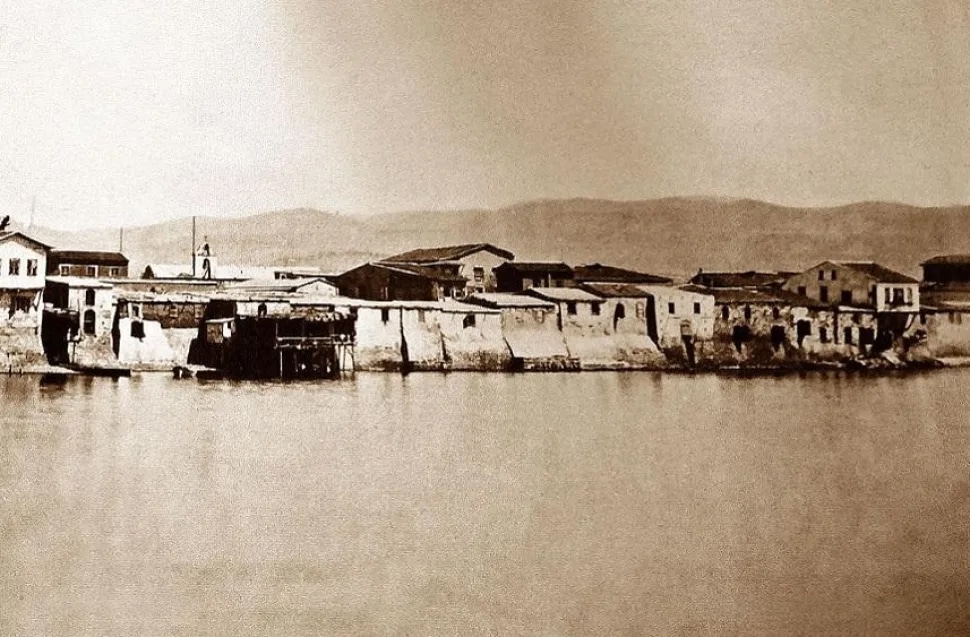
If you have ever strolled along the sun-drenched paths of Limassol, chances are you have spent time at Molos Park (formally known as the Limassol Multifunctional Seaside Park). With its sleek wooden piers stretching over azure waters, modern sculptures, and vibrant green lawns, it is hard to imagine that this world-class promenade was once a chaotic, narrow strip of industrial warehouses.
The evolution of Molos is a masterclass in urban planning, reflecting the broader socio-political shifts of Cyprus. Here is the chronological history of how Limassol built its most famous seaside park — partly out of thin air, and partly by reclaiming it directly from the Mediterranean Sea.
1. The Colonial Spark: Docks and British Ambitions (1878–1881)
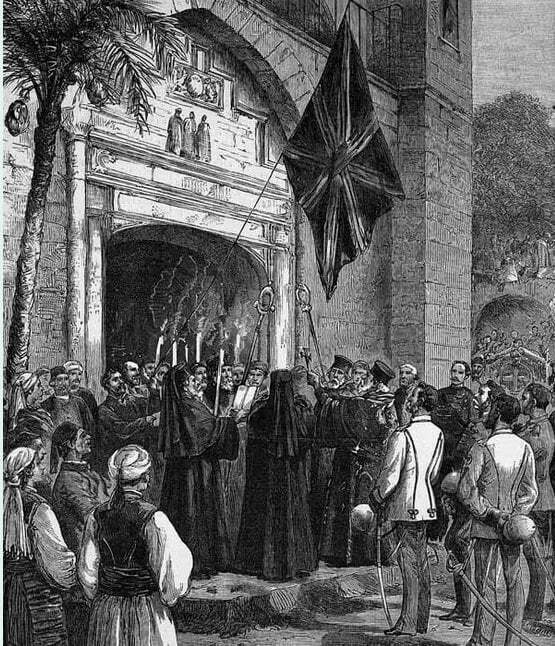
The story of Molos begins not with leisure, but with trade and military logistics. Following the Cyprus Convention of 1878, Great Britain assumed administration of the island from the Ottoman Empire.
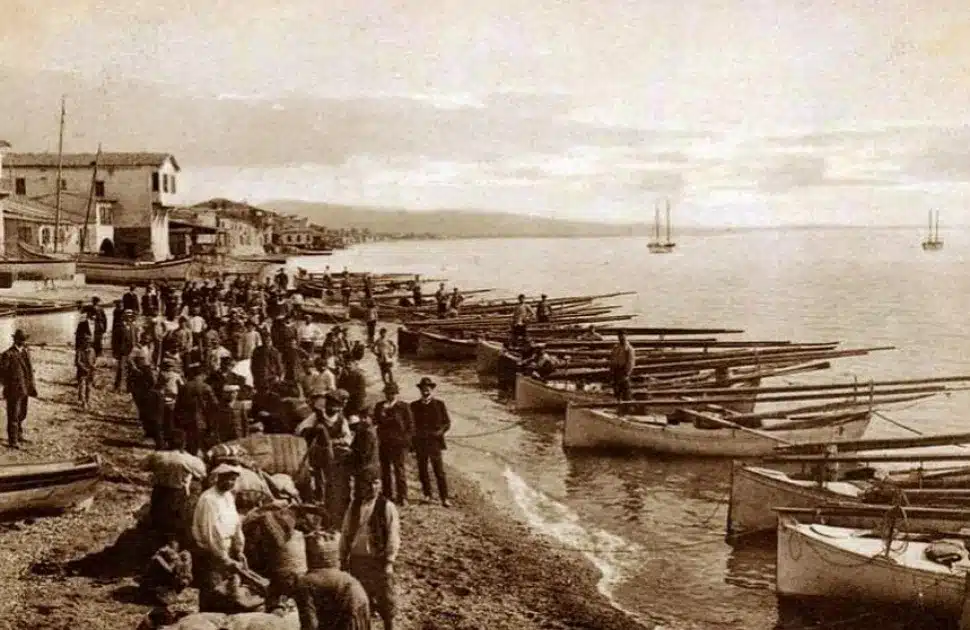
- 1878: A New Maritime Strategy: Recognizing Limassol’s strategic location, the first British Governor, Colonel Warren, prioritised the development of the seafront. At the time, the coast was cluttered, unorganised, and lacked proper infrastructure.
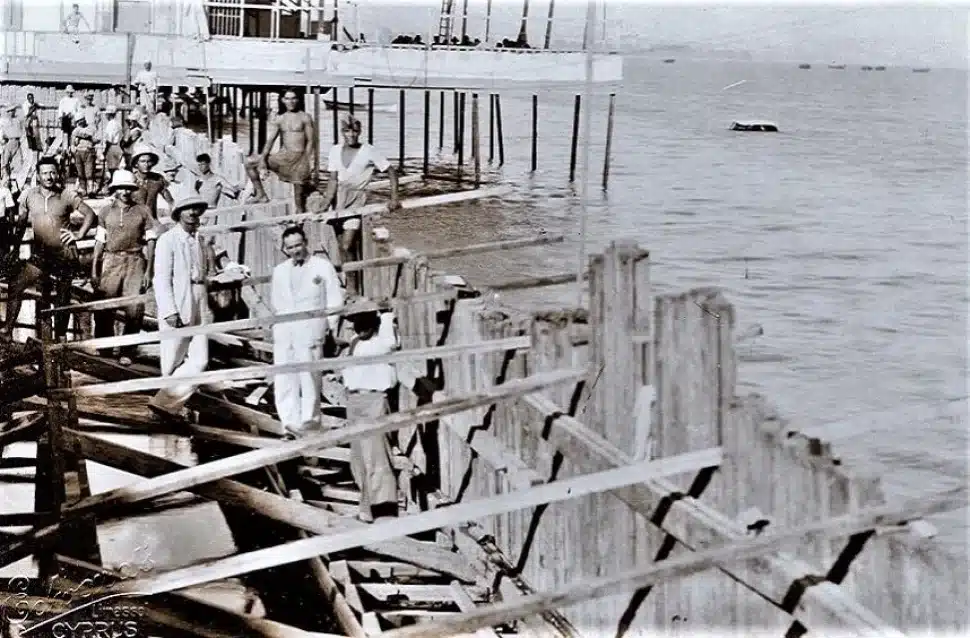
- 1879–1881: The First Customs Wharf: To facilitate trade, work began on a massive iron pier, known as the “Big Wharf”, replacing a fragile, outdated wooden quay. Opened officially in 1881 by Governor Sir Robert Biddulph, this pier allowed steamships to unload goods directly to the mainland for the first time. It became the anchor around which Limassol’s maritime identity would grow.
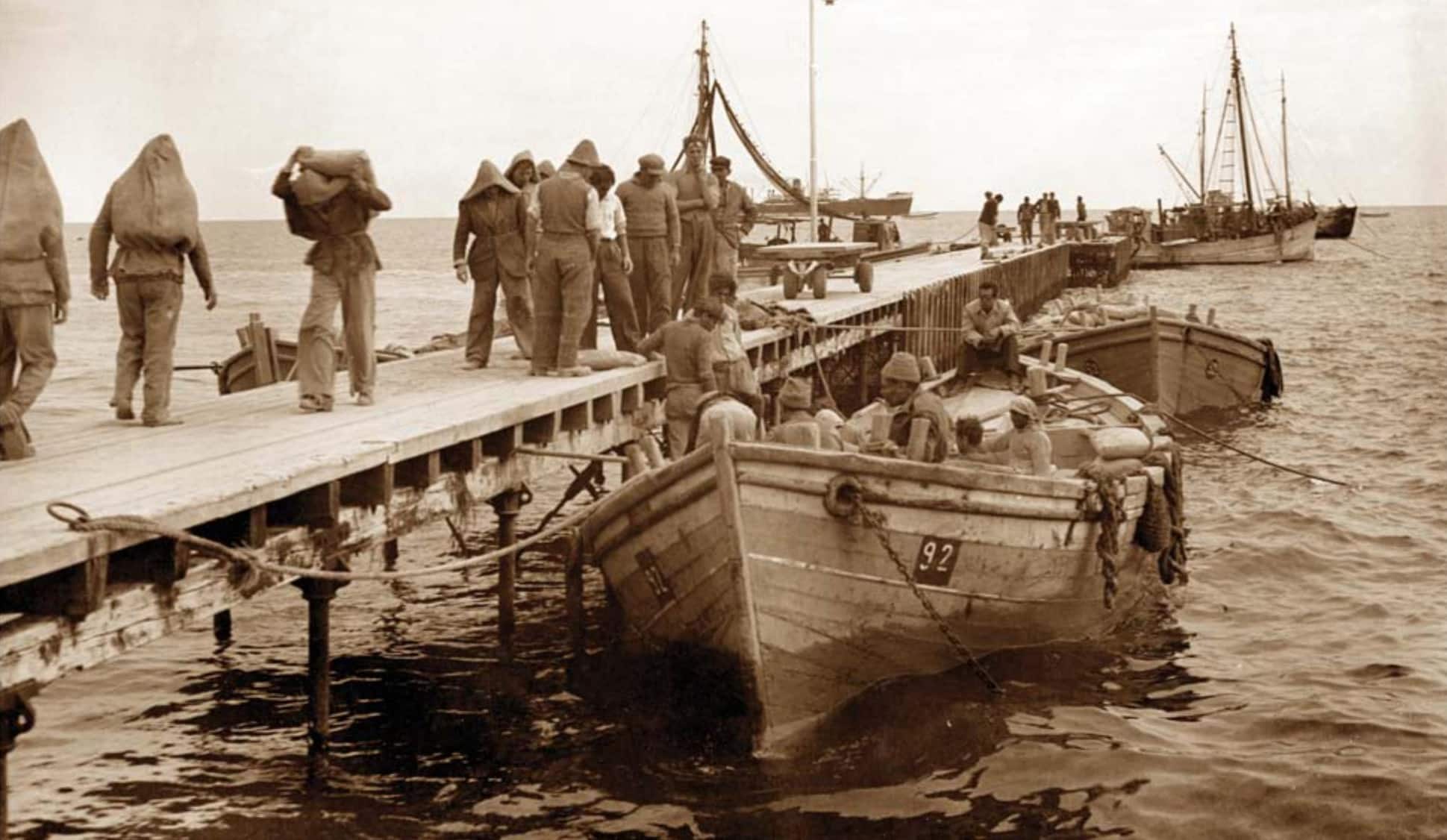
2. Cleaving a View: The Era of Mayor Christodoulos Sozos (1908–1912)
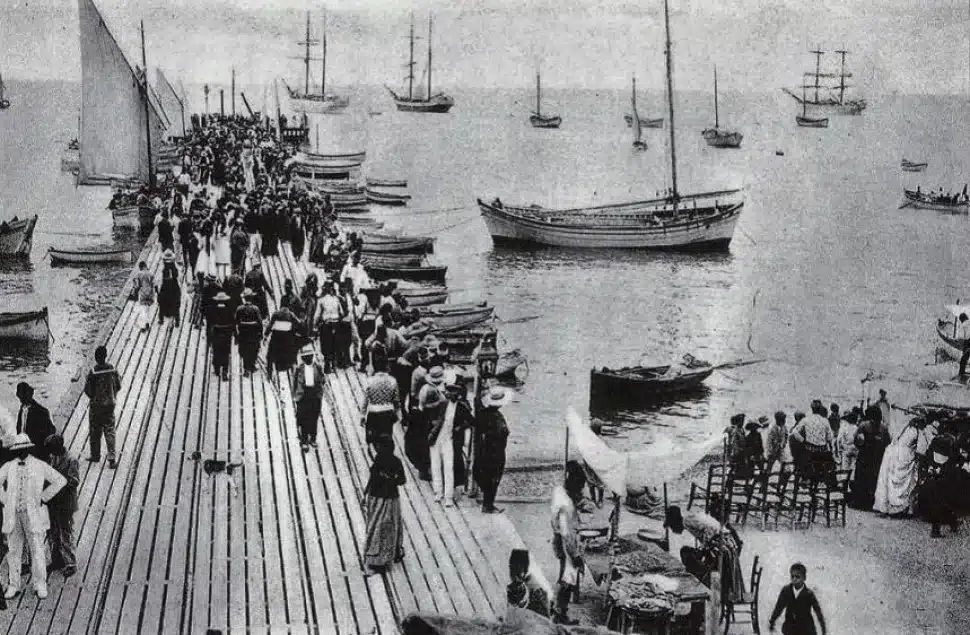
For decades, the citizens of Limassol could barely see the sea. The coastline was walled off by towering stone customs warehouses and private Ottoman-era residences.
- 1908: Demolishing the Barriers: Under the progressive leadership of Mayor Christodoulos Sozos, the municipality took a bold step. They began buying up and demolishing these coastal warehouses to “open up” the seafront.
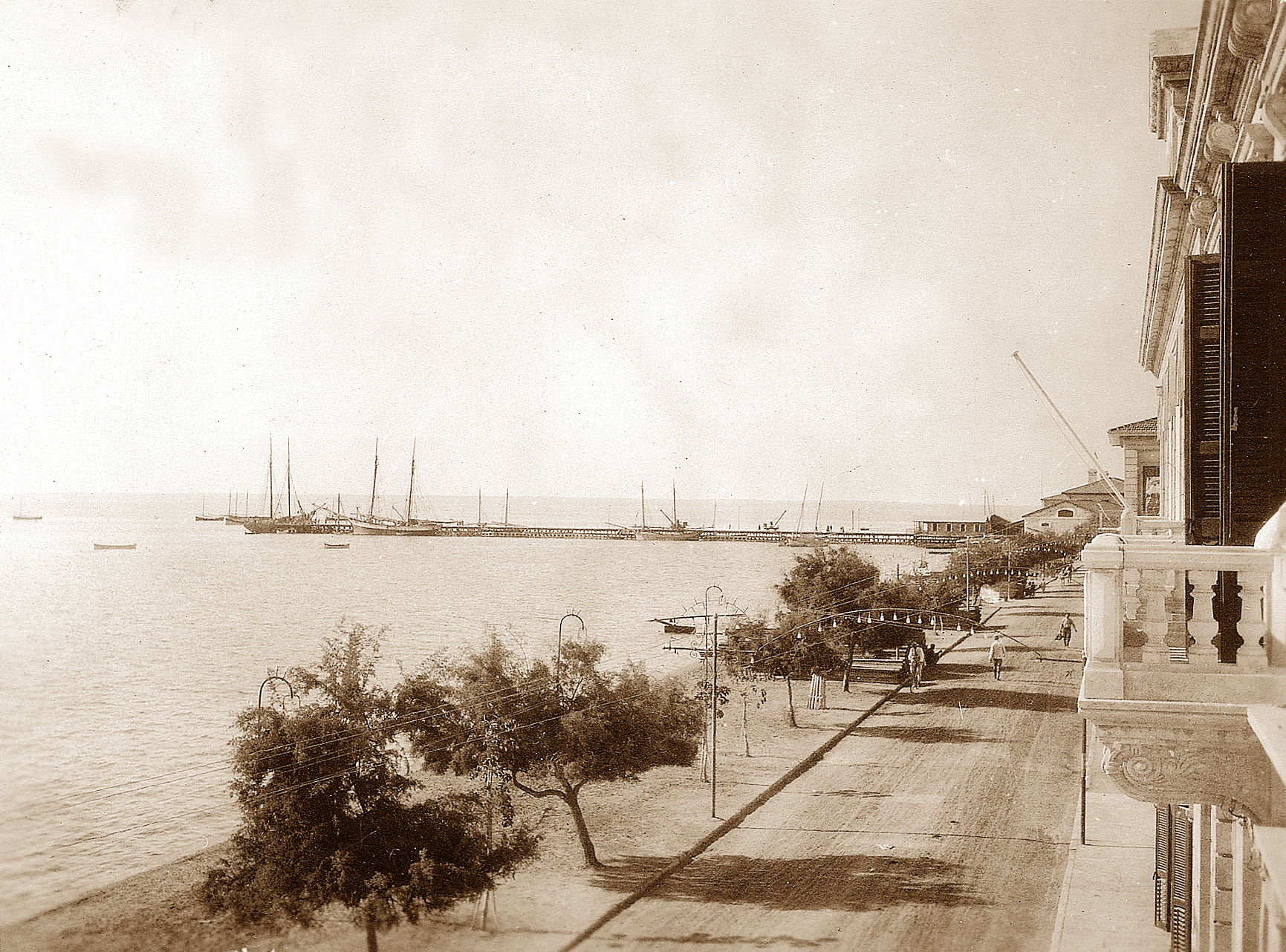
- 1912: A Lit Promenade: By 1912, the city had created its first continuous seafront road. To make it a welcoming social hub, Sozos introduced the town’s very first electric streetlights along the coastal path, replacing dim oil lanterns and birthing the early ancestor of today’s promenade.
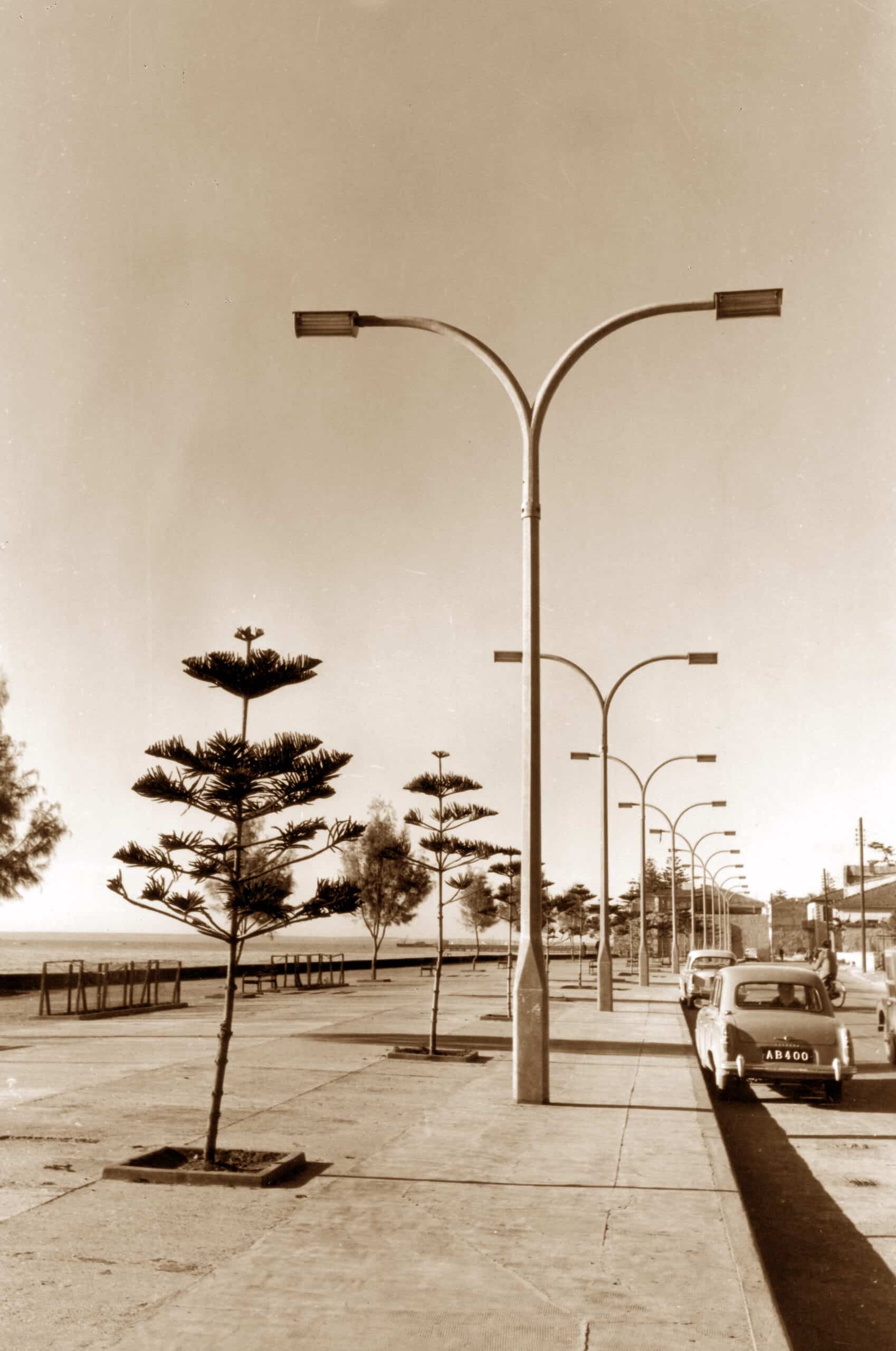
3. Stealing Land from the Sea: The Great Reclamation (1970–1974)
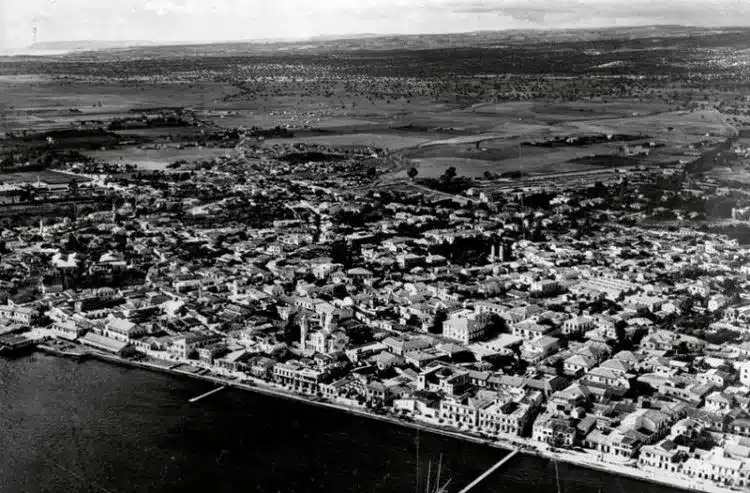
By the mid-20th century, Limassol was expanding rapidly. However, severe coastal erosion threatened the seafront, and the city lacked a dedicated central park.
Did you know? The entire ground you walk on at Molos Park today did not exist fifty years ago. It was literally built over the open sea.
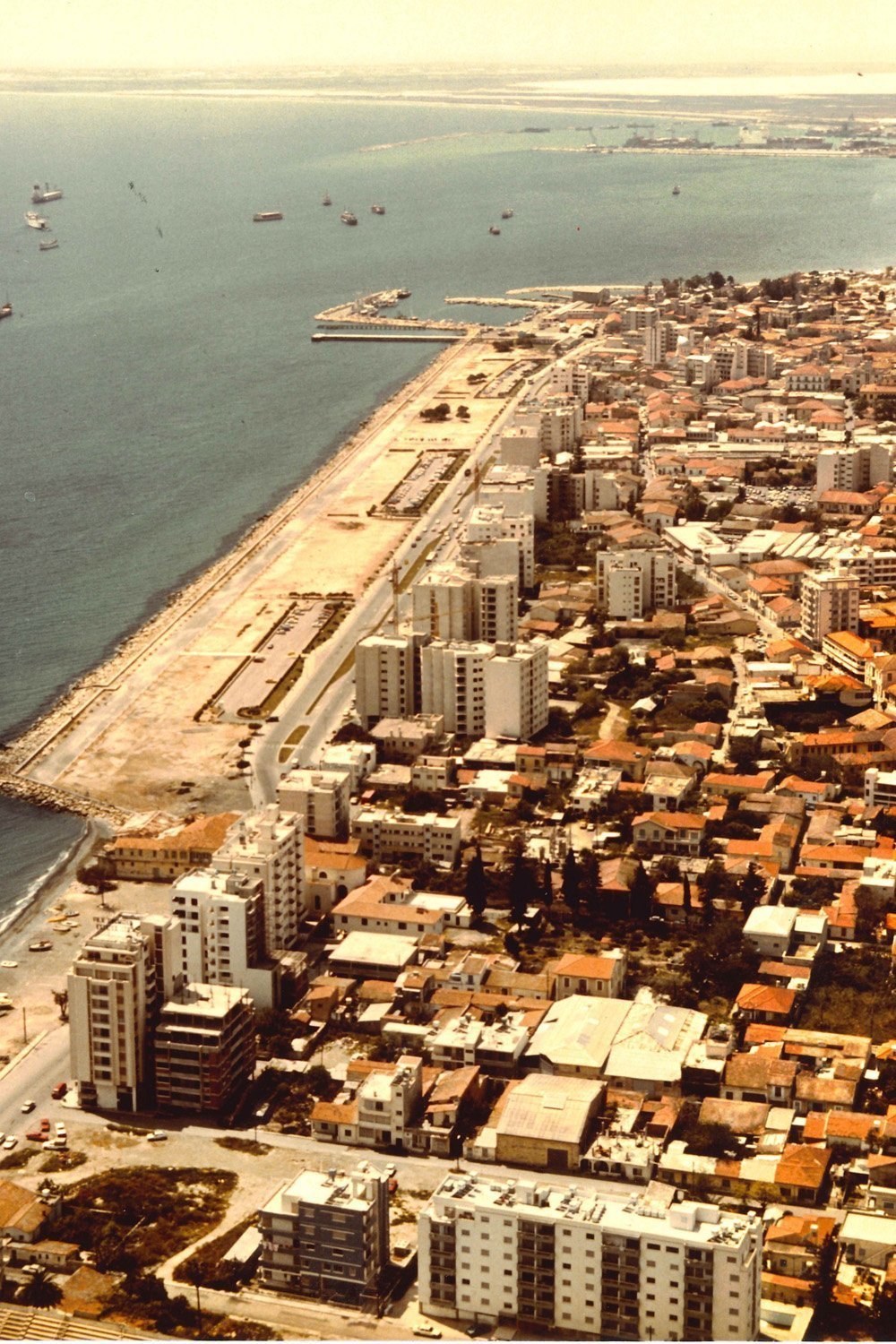
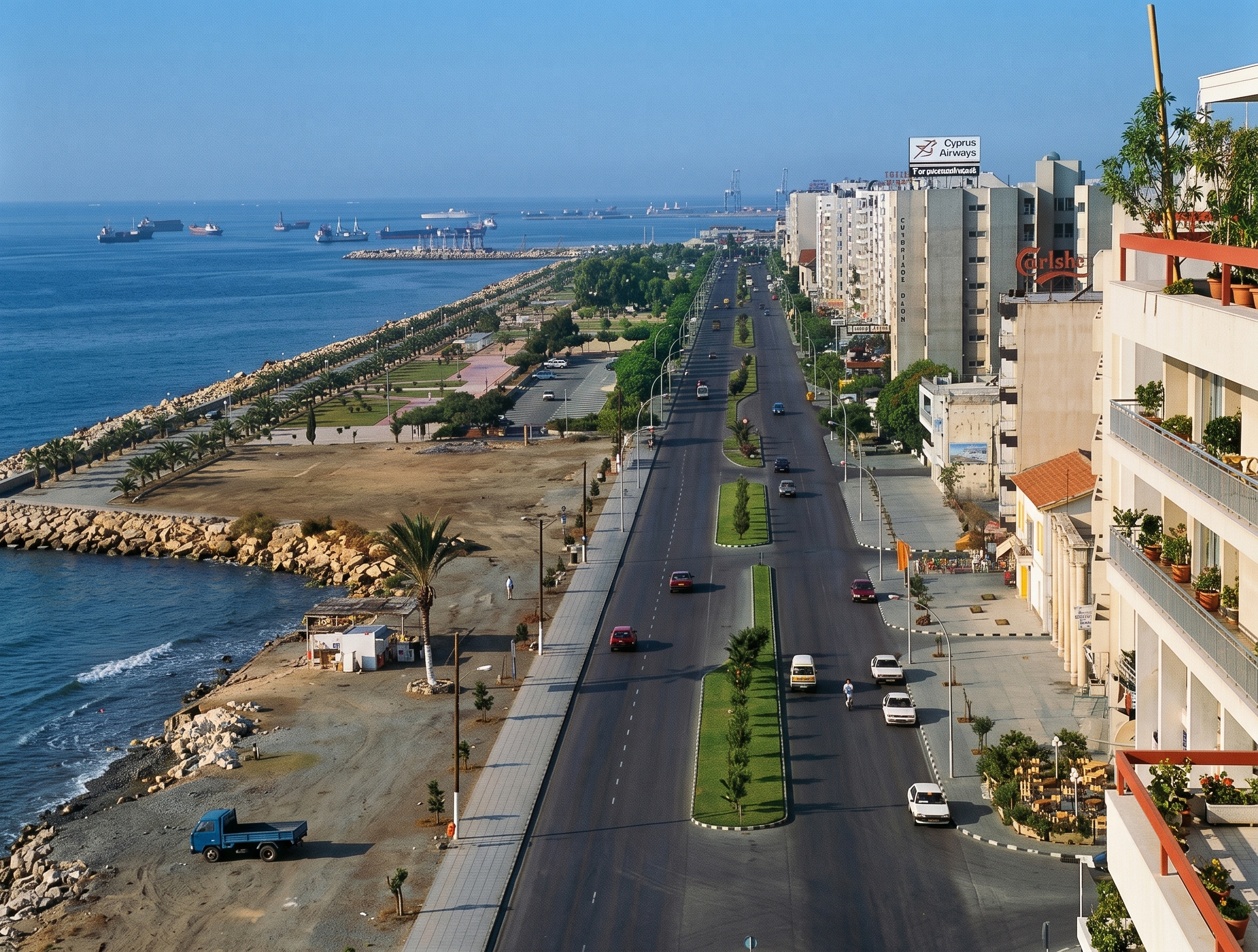
- 1970: The Land Reclamation Project: In an ambitious feat of civil engineering, the Cypriot government launched a massive land reclamation project. Crews dumped tonnes of earth and rock into the water, successfully reclaiming a 65-metre wide strip of land stretching over a kilometre along the shoreline.
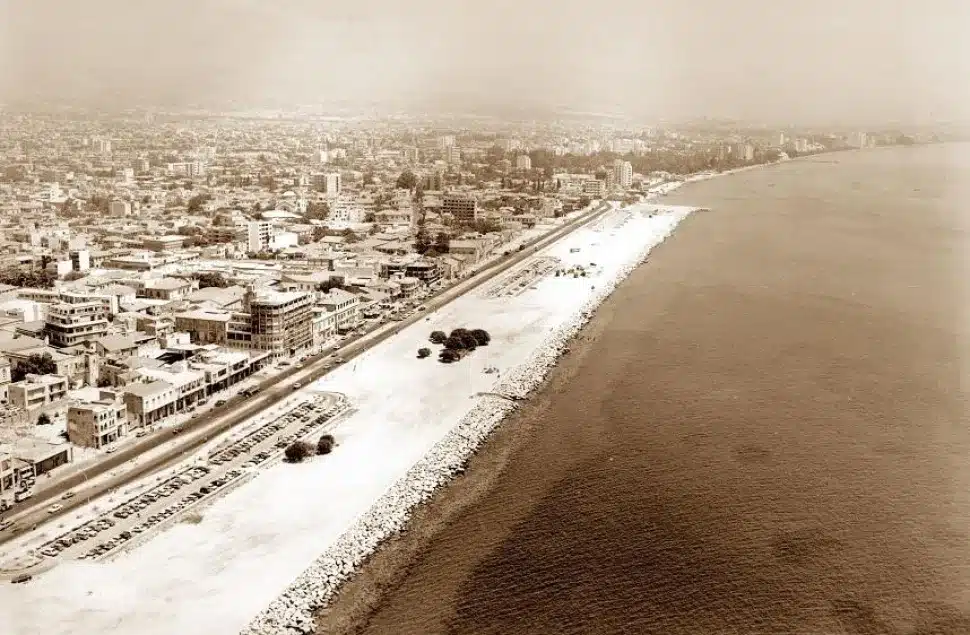
- 1974: The Catalyst of Crisis: Following the geopolitical trauma of the 1974 Turkish invasion, Limassol experienced a sudden population boom as displaced families moved south. The city quickly transitioned into the island’s primary commercial port and tourism hub. The newly reclaimed land, affectionately dubbed “The Mole”, became a vital green lung for a rapidly growing urban population.
4. Art by the Water: The Sculpture Park (1999–2001)
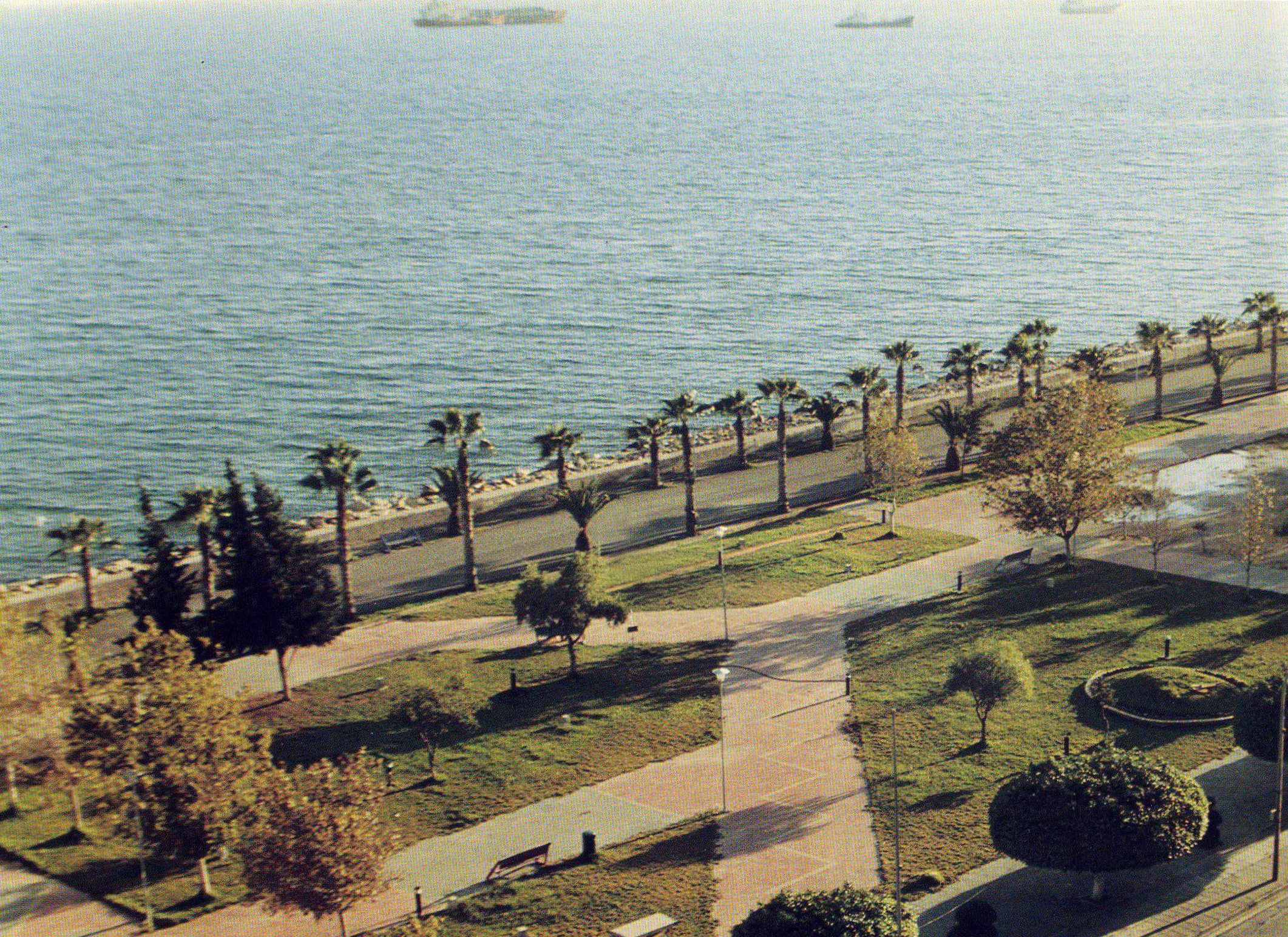
As Limassol matured into a cosmopolitan city, local authorities sought to inject culture into the seaside strip.
- An Open Air Gallery: Between 1999 and 2001, the Limassol Municipality organised three groundbreaking International Sculpture Symposiums.
- The Masterpieces: Renowned sculptors from Cyprus, Greece, and across the globe were invited to create large scale modern art installations directly on-site. Today, these twenty permanent masterpieces form the Prokymea Sculpture Park, turning a simple seaside walk into an interactive cultural experience.
5. The €12 Million Renaissance: The Multifunctional Seaside Park (2008–2015)
By the late 2000s, parts of the reclaimed waterfront had become tired and outdated. The city needed a unified vision to connect the old town and the upcoming Limassol Marina.
- The Master Plan: Between 2008 and 2015, the municipality executed a massive, €12,000,000 redevelopment project, co-funded by the European Regional Development Fund.
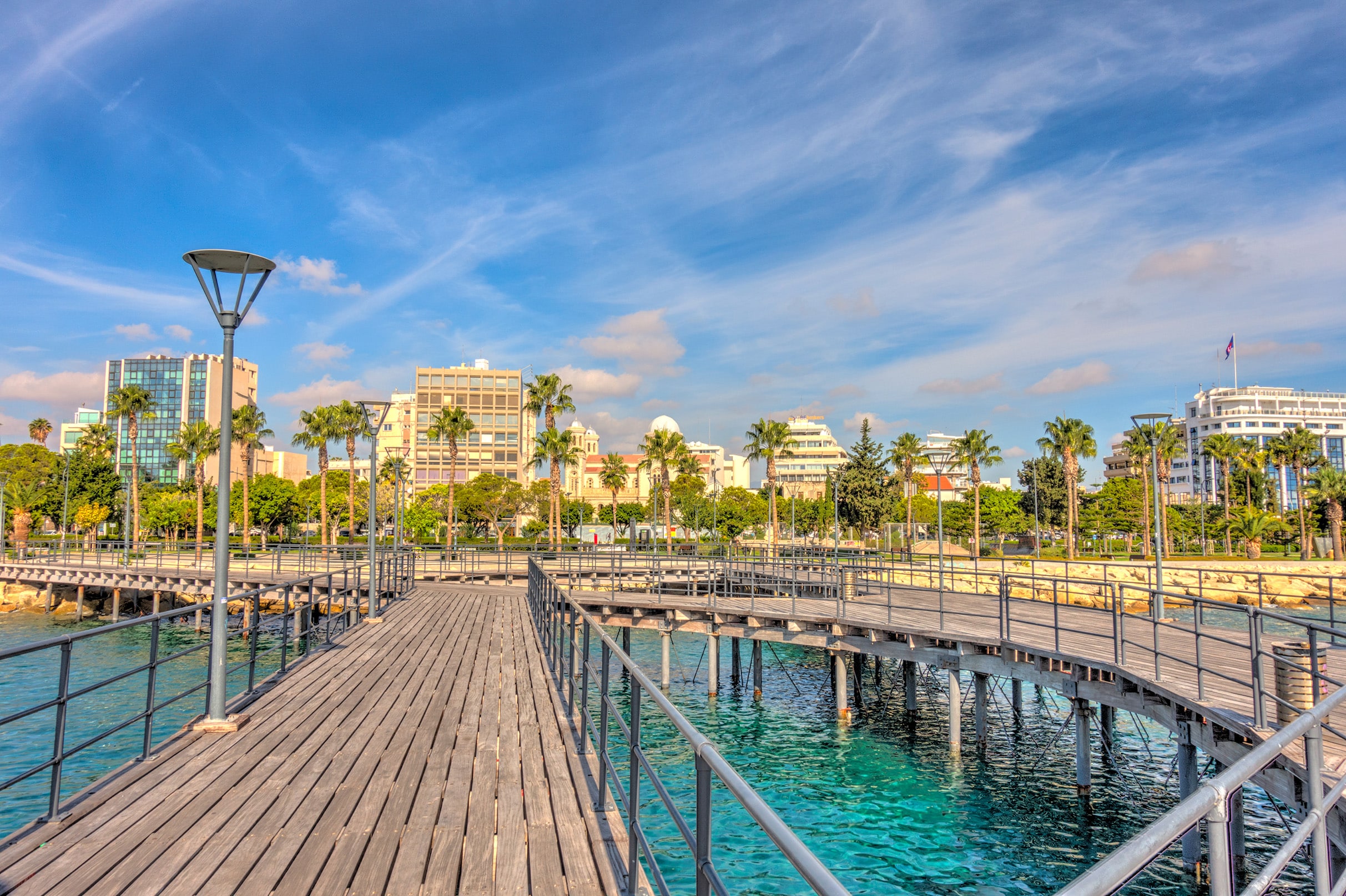
- 2015: The Grand Unveiling: Completed in February 2015, the area was officially transformed into the Multifunctional Seaside Park. The renovation introduced the iconic timber decked piers, modern fountains, dedicated cycling paths, children’s playgrounds, cafes, and extensive botanical landscaping that define the park’s aesthetic today.
6. The Smart & Sustainable Era (2017–2026)
In recent years, Molos Park has evolved beyond physical beauty, focusing heavily on technology, sustainability, and eastward-to-westward connectivity.
- 2017: Digital Integration: The park went smart in April 2017 with the installation of interactive digital “Infopoints”. Visitors could now scan codes next to the seafront sculptures to instantly learn about the artists and their concepts.
- 2023–2025: Connecting the Coastline (Aktaia Avenue): To bridge the gap between the Marina and the New Port, construction began on expanding the promenade concept further west along Aktaia Avenue. By late 2025, a new pedestrian and cycling corridor successfully linked the historic Molos directly to the newer western districts.
- 2026: Green Initiatives & Modernisation: Today, in 2026, Molos is undergoing key environmental upgrades. A partnership with the Cyprus Marine & Maritime Institute (CMMI) is currently spearheading deep-sea cleaning operations along the park’s edge. Simultaneously, a €9.2 million infrastructure project is wrapping up to modernise the underground drainage networks, ensuring the park remains protected from climate-induced rising sea levels for generations to come.
7. Molos Today: Limassol’s Green Heart in the City Centre
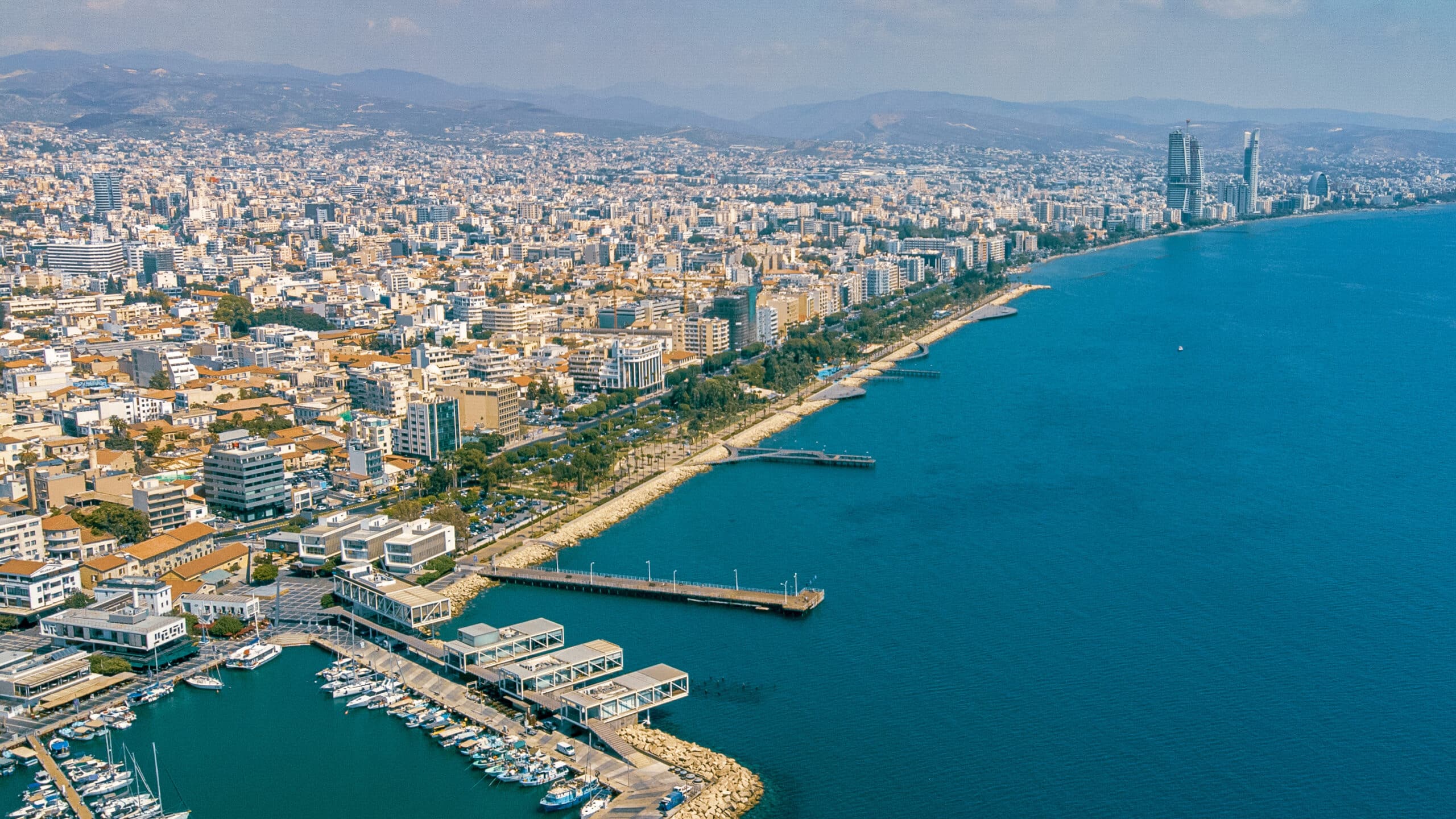
A century and a half after Colonel Warren first eyed Limassol’s cluttered seafront, Molos now functions as one of the city’s principal green areas — a green area right in Limassol’s city centre, rather than on its outskirts. That central, coastal position is exactly what has made the surrounding stretch of coastline one of the most sought-after in the country for anyone living in Limassol.
It is also the same stretch of coast that has anchored Limassol’s reputation as what’s often called Europe’s newest Riviera — a construction boom of high-rise, coastline-facing residential buildings that has reshaped the city’s skyline over the past decade. The Gardens Residence is one example of that shift: a high-rise development on Limassol’s coastline built around the same principle that reclaimed Molos in the first place — that the city’s relationship with the sea is worth building around, not walling off.