

Limassol’s built environment is the result of continuous transformation shaped by geography, empire, trade, and social change. Over more than two thousand years, each historical period introduced new architectural principles, materials, and spatial priorities that responded to the needs of its time. From sacred landscapes and imperial infrastructure to fortified cities and modern urban expansion, the city’s architecture reflects shifting cultural values and external influences. Understanding the architectural history provides essential context for how Limassol developed into its present-day form.
Hellenistic Era
310 – 30 BCE
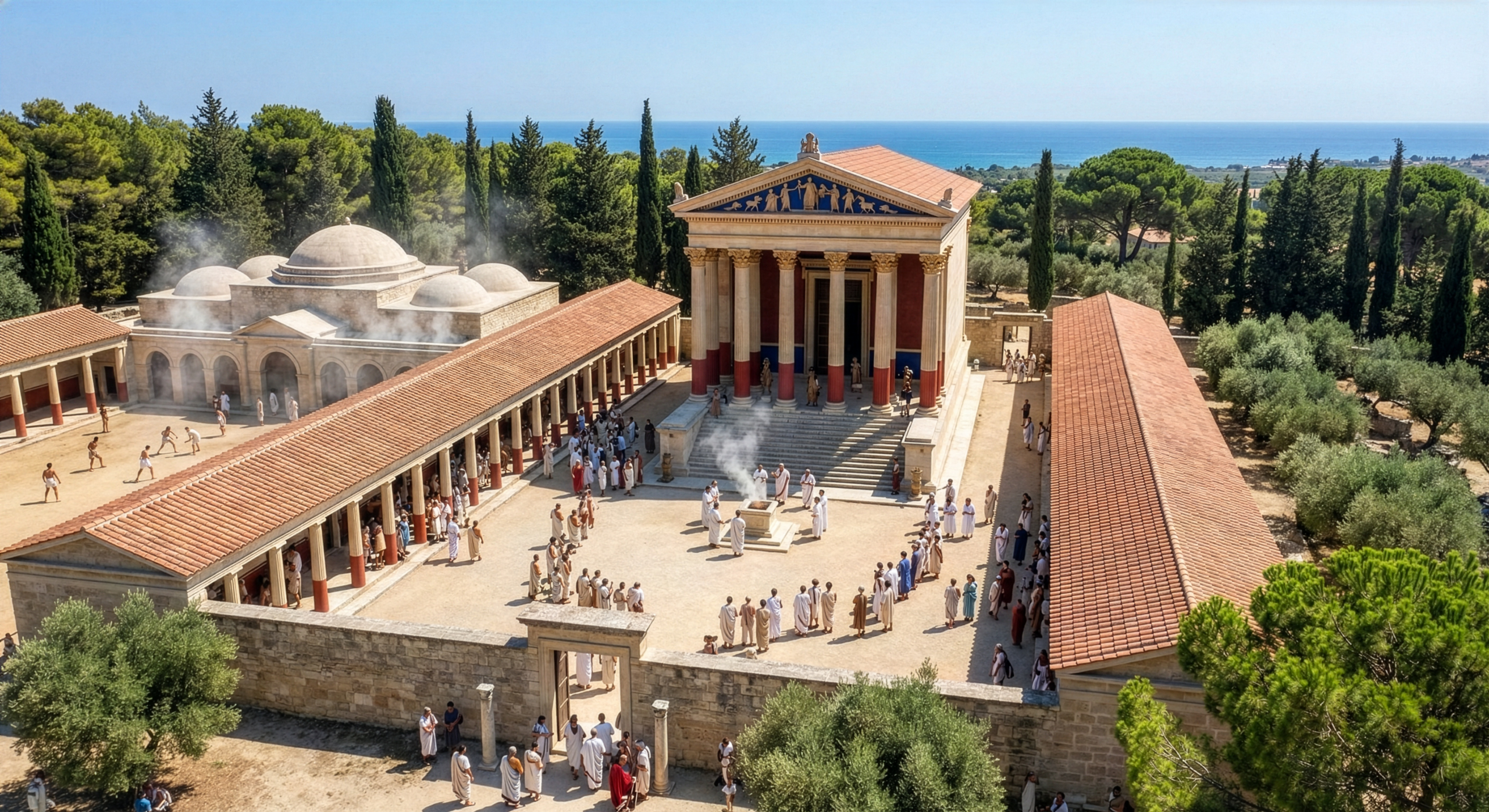
The circular monument at the Sanctuary of Apollon Hylates exemplifies the Ptolemaic influence on Cypriot worship during this period. Architecturally, this era marked a decisive shift toward Greek imperialism, characterized by the introduction of monumental ashlar masonry and the “peristyle” courtyard. The identity of Limassol’s precursor settlements evolved through grid-planned urbanization and theatrical design, establishing a sophisticated cultural landscape that mirrored the grandiosity of Alexandria rather than local village traditions.
Roman Era
58 BC – 688 AD

The Kourion Ancient Amphitheater, remodelled from its Hellenistic origins, demonstrates the Roman mastery of engineering and public spectacle. This era introduced the widespread use of fired brick, concrete, and the arch, allowing for freestanding, multi-tiered structures. The architectural identity shifted toward imperial resilience and massive infrastructure, such as aqueducts and bathhouses, which prioritized durability and complex spatial planning over the simpler post-and-lintel construction of the previous age.
Gothic Era
12th century – 16th century

The Limassol Medieval Castle stands as a testament to the heavy fortification required during the Lusignan and Venetian periods. This era introduced Gothic sensibilities, characterized by pointed arches, ribbed vaults, and thick defensive stonework designed to withstand siege warfare. The architectural identity transformed from open classical layouts to enclosed, fortified feudal structures, reflecting the geopolitical instability of the Crusades and the imposition of European military architecture on the Eastern Mediterranean.
Ottoman Era
1571 – 1878
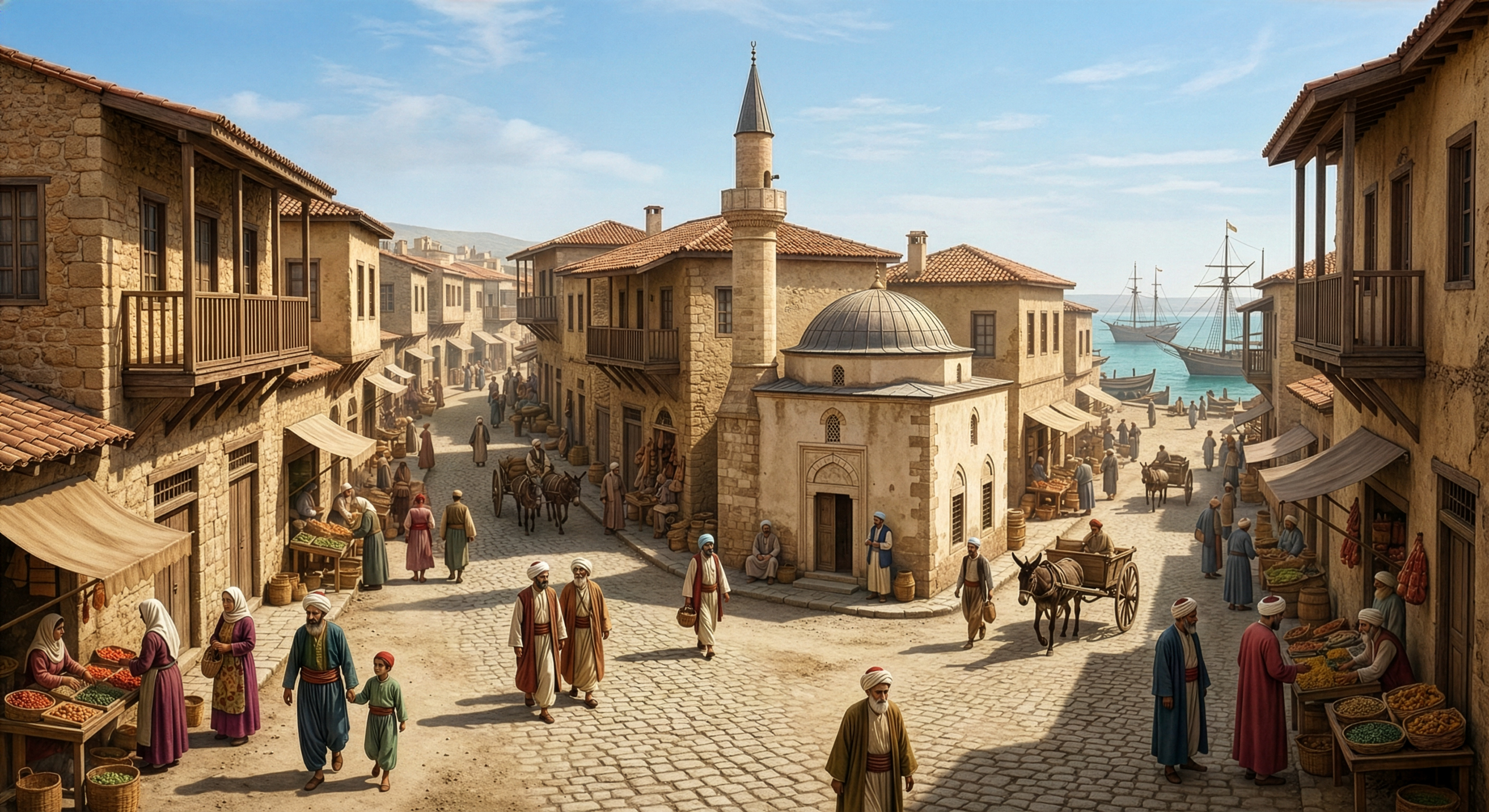
The vernacular architecture of Limassol’s Old Turkish Quarter reveals a shift toward introverted, climate-responsive urban planning. This era prioritized privacy and ventilation, featuring internal courtyards and cumbad (enclosed wooden balconies) that shielded residents from the street. The architectural identity moved away from monumental stone fortifications to functional, organic neighborhood clusters, utilizing mudbrick and timber to create intimate social spaces that blended Islamic functionality with local Cypriot building traditions.
Art Deco
1878 – 1960s

The Limassol Municipality Building epitomizes the synthesis of Colonial authority and Art Deco geometry. This era marked the introduction of modern administrative infrastructure, utilizing reinforced concrete, iron, and stylized geometric motifs. The architectural identity modernized rapidly, moving toward regulated urban planning and symmetrical facades. It represented a desire for progress and order, blending European bureaucratic elegance with the emerging modernist trends that defined the early 20th century.
Bauhaus / Modernism
1960s – 2000s

Residential Bauhaus Architecture. Scattered across Limassol’s neighborhoods, residential houses from this period reflect the post-independence adoption of International Style principles. Characterized by flat roofs, geometric simplicity, and the complete absence of ornamentation, this era emphasized functionality and affordable construction. The architectural identity shed colonial baggage for a minimalist aesthetic, utilizing reinforced concrete to create open, airy living spaces that catered to a rapidly urbanizing society seeking a distinct, modern, and democratic character.
Contemporary
2000s – Present
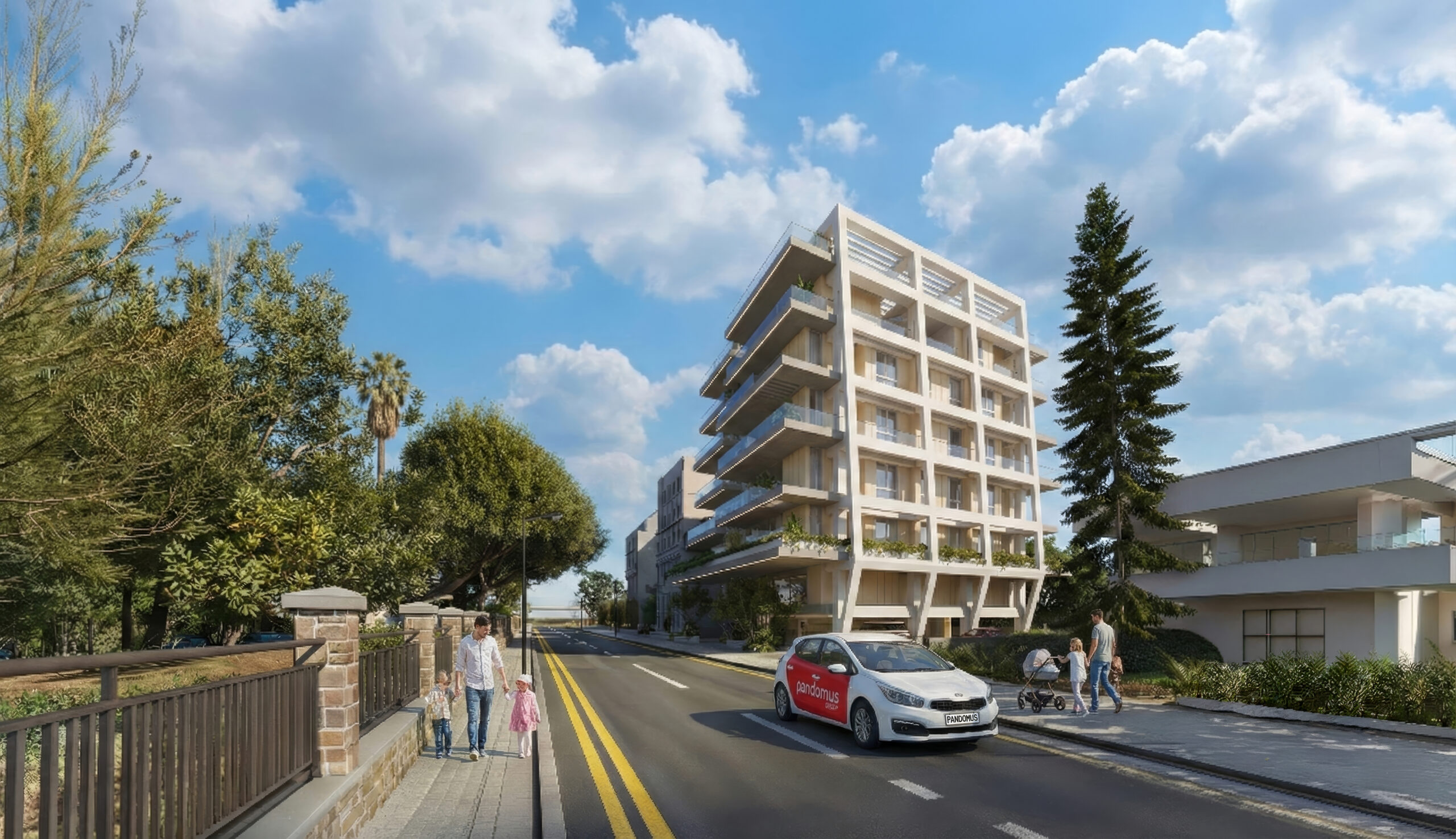
The Gardens Residence by Pandomus Group illustrates the vertical transformation of Limassol’s coastline into a “new Riviera.” This era is defined by high-rise luxury developments utilizing advanced glass curtain walls, steel, and sustainable technologies. The architectural identity has shifted toward a globalized, cosmopolitan aesthetic, prioritizing height and panoramic views. It represents a departure from low-rise density to iconic skyline structures, symbolizing Limassol’s status as an international investment hub.