

When travellers think of Cyprus today, they picture shimmering turquoise seas, idyllic beaches, and some of the cleanest swimming waters on the planet. According to the 2026 European Environment Agency (EEA) report assessing data from the 2025 bathing season, Cyprus leads the European Union with a flawless 100% “excellent” quality rating across all 123 monitored coastal bathing sites.
123 Sites — MONITORED BEACHES WITH 100% EXCELLENT SCORE
The 2026 Reality: The Undisputed Gold Standard
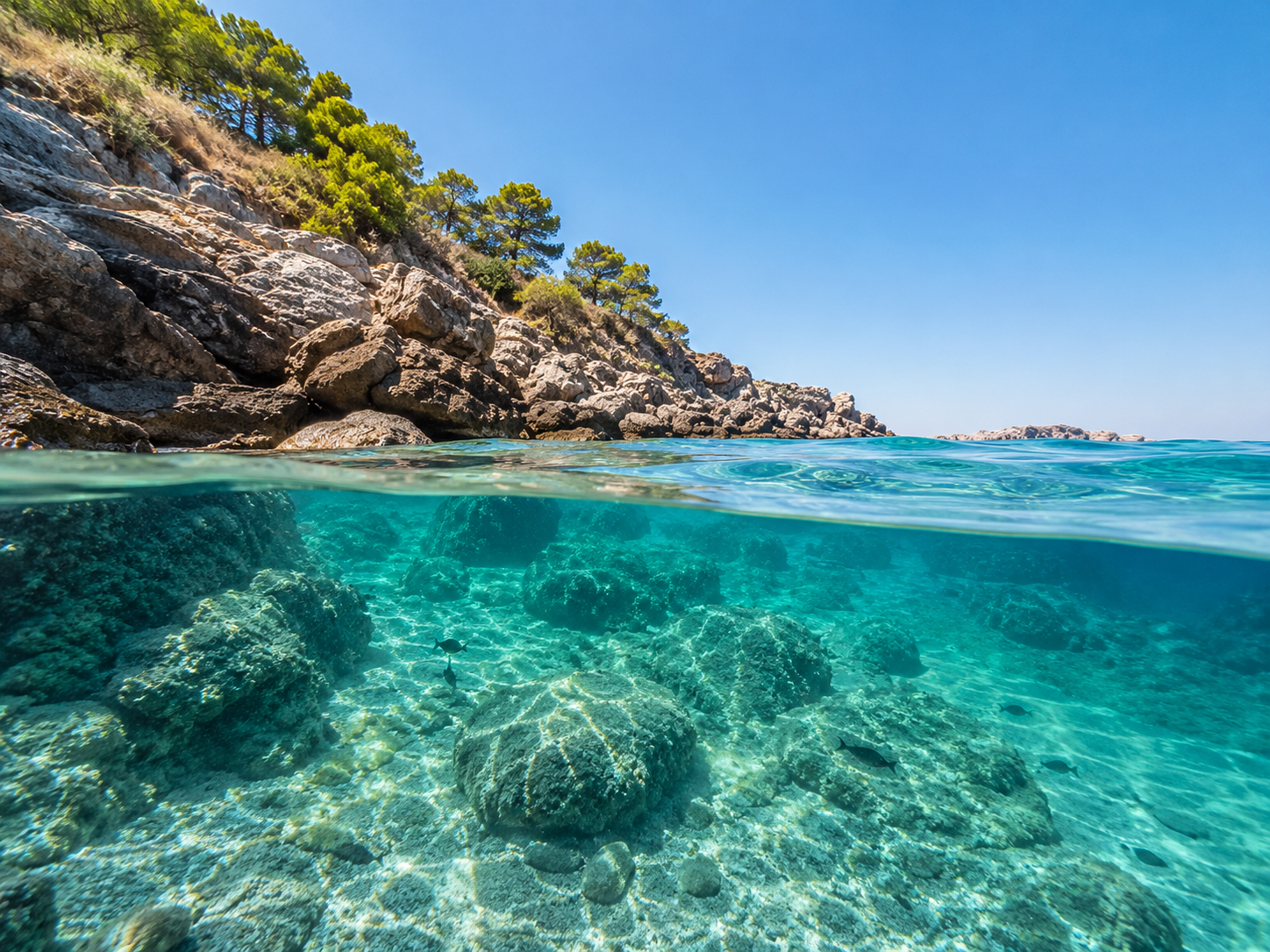
Cyprus achieved what few nations ever manage: a flawless 100% success rate across every single monitored public beach, with all 123 coastal sites classified as excellent.
| Rank | EU Member State | “Excellent” Bathing Water Score (2025 Season) | Regional Comparison |
| #1 | Republic of Cyprus | 100.0% | Highest in the EU & Mediterranean (123/123 coastal sites) |
| #2 | Greece | 97.1% | Aegean & Ionian coastlines |
| #3 | Bulgaria | 96.9% | Black Sea coast |
| — | EU Average | 84.8% | Average across all EU bathing sites (2025 season) |
The Science: How Cyprus Maintains the Standard
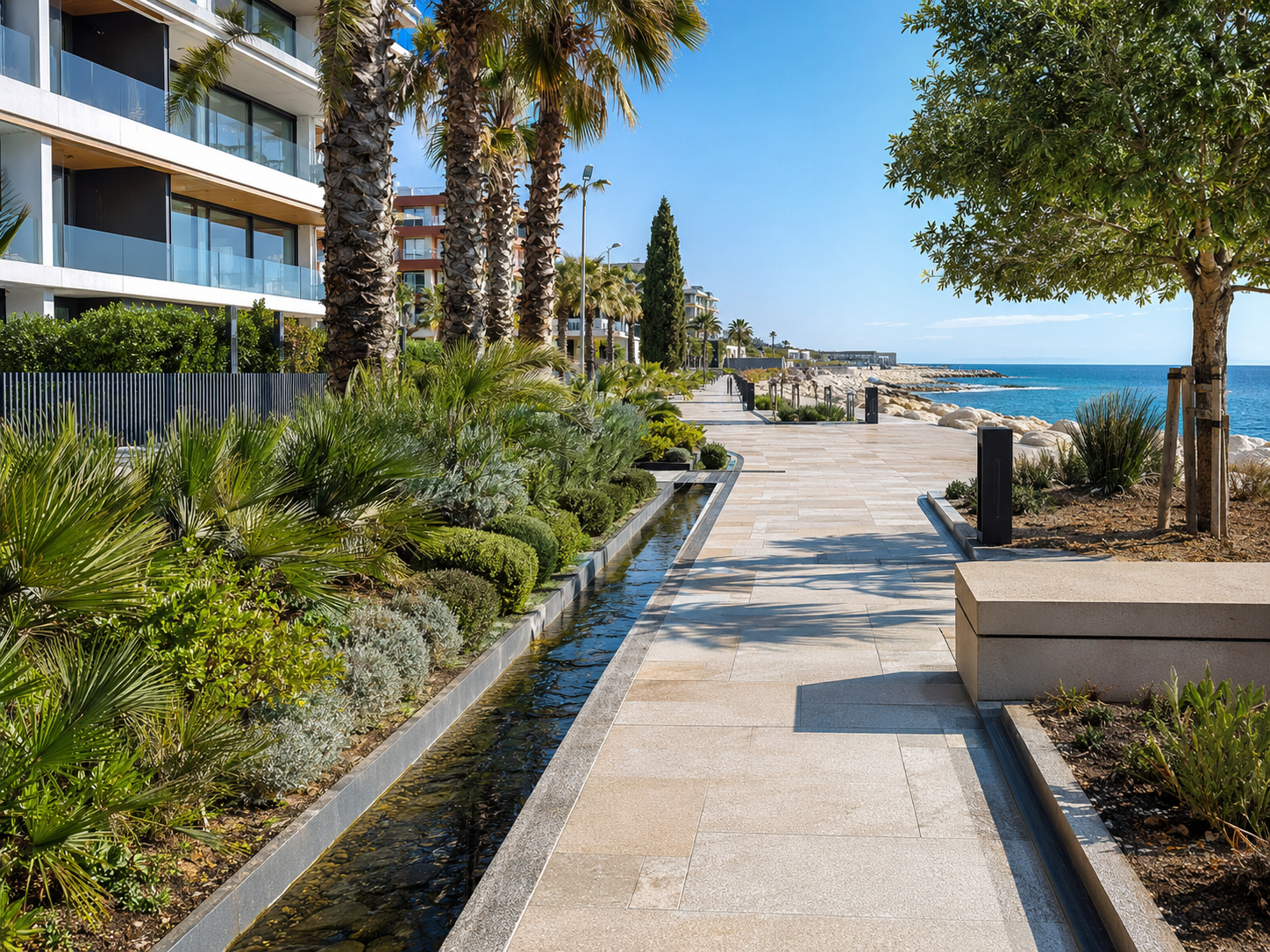
Cyprus’s position at the top of the EU rankings rests on a nationwide programme of environmental engineering and civil infrastructure:
Closed-Loop Tertiary Wastewater Systems: Because Cyprus is a water-scarce island, it treats wastewater as a vital resource rather than waste. Urban sewerage boards installed tertiary-level filtration systems that purify urban wastewater to near drinking standard. Instead of discharging effluent into the sea, this recycled water is pumped inland for agricultural irrigation and aquifer replenishment, keeping city waste entirely isolated from coastal waters.
Modern Stormwater Networks: In coastal hubs like Limassol, hundreds of millions of euros were directed into separating municipal sewer lines from stormwater drainage systems. These modern drainage canals prevent urban runoff — oil, heavy metals, and debris — from washing into the Mediterranean during heavy rainfall.
Rigorous Microbiological Testing: Between May and October each year, health inspectors and the Department of Environment conduct continuous, unannounced sampling across all 123 designated beaches. Water samples are lab-tested for bacterial indicators (such as E. coli and intestinal enterococci) under standardized EU protocols, ensuring total transparency and safety for bathers.
Frequently Asked Questions
Is tap water in Cyprus safe to drink?
Yes. Cyprus maintains a 99.72% access rate to safely managed drinking water. While coastal waters are monitored via the EU Bathing Water Directive, drinking water is governed by separate, strict EU drinking water parameters, primarily supplied via modern desalination and dam purification plants.
Which agency certifies Cyprus’s water quality?
Water quality is certified by the European Environment Agency (EEA) in cooperation with the European Commission and the Republic of Cyprus’s Ministry of Agriculture, Rural Development and Environment.
How does Cyprus compare to other Mediterranean countries in 2026?
In the 2026 report assessing the 2025 season, Cyprus is the only Mediterranean nation in the EU to achieve a 100% “excellent” coastal rating across all 123 monitored sites, outperforming regional peers such as Greece (97.1%), Bulgaria (96.9%), Croatia (95.2%), Italy (88.6%), and Spain (87.8%).
How often is seawater tested along the Cyprus coastline during the swimming season?
Seawater sampling takes place continuously throughout the official bathing season, which runs from 1 May through 31 October. Health inspectors and environmental officers collect water samples biweekly across all 123 designated sites, ensuring over 1,000 individual laboratory analyses are performed each season.
Do city beaches in major urban hubs like Limassol meet the 100% clean water standard?
Yes. Unlike many mainland European coastal cities where urban rainwater runoff pollutes municipal beaches, 100% of Cyprus’s monitored coastal sites — including city beaches in Limassol, Larnaca, and Paphos — scored the top “excellent” rating. This success is directly linked to municipal investments in stormwater separation networks that prevent city drainage from discharging into coastal swimming zones.
What specific bacteria and contaminants are tested under the EU Bathing Water Directive?
Under EU Directive 2006/7/EC, accredited laboratories specifically test water samples for two key microbiological indicators of faecal contamination: Escherichia coli (E. coli) and intestinal enterococci. To receive an “excellent” rating, bacterial concentrations must remain consistently below strict regulatory thresholds across all samples taken throughout the year.
What is the difference between an EU Bathing Water rating and a Blue Flag beach in Cyprus?
The EU Bathing Water Directive is a mandatory legal assessment focusing strictly on microbiological water purity and public health safety. The Blue Flag is an optional international eco-label awarded by the Foundation for Environmental Education (FEE). A beach must first achieve an “excellent” EU water quality rating before it can qualify for a Blue Flag, which also requires lifeguard services, disabled accessibility, waste management facilities, and environmental education programs. Cyprus was awarded 66 Blue Flags in 2025 (64 beaches and 2 marinas).
Why is the sea water around Cyprus naturally so clear compared to other seas?
Beyond advanced human wastewater infrastructure, the marine environment surrounding Cyprus belongs to the Levantine Sea, an oligotrophic basin characterized by low nutrient levels. This natural low nutrient concentration limits excessive algae and plankton growth, resulting in exceptionally high water transparency where underwater visibility frequently exceeds 20 to 30 metres.
Preserving the Heritage and Future of Limassol — A Note from Pandomus Group
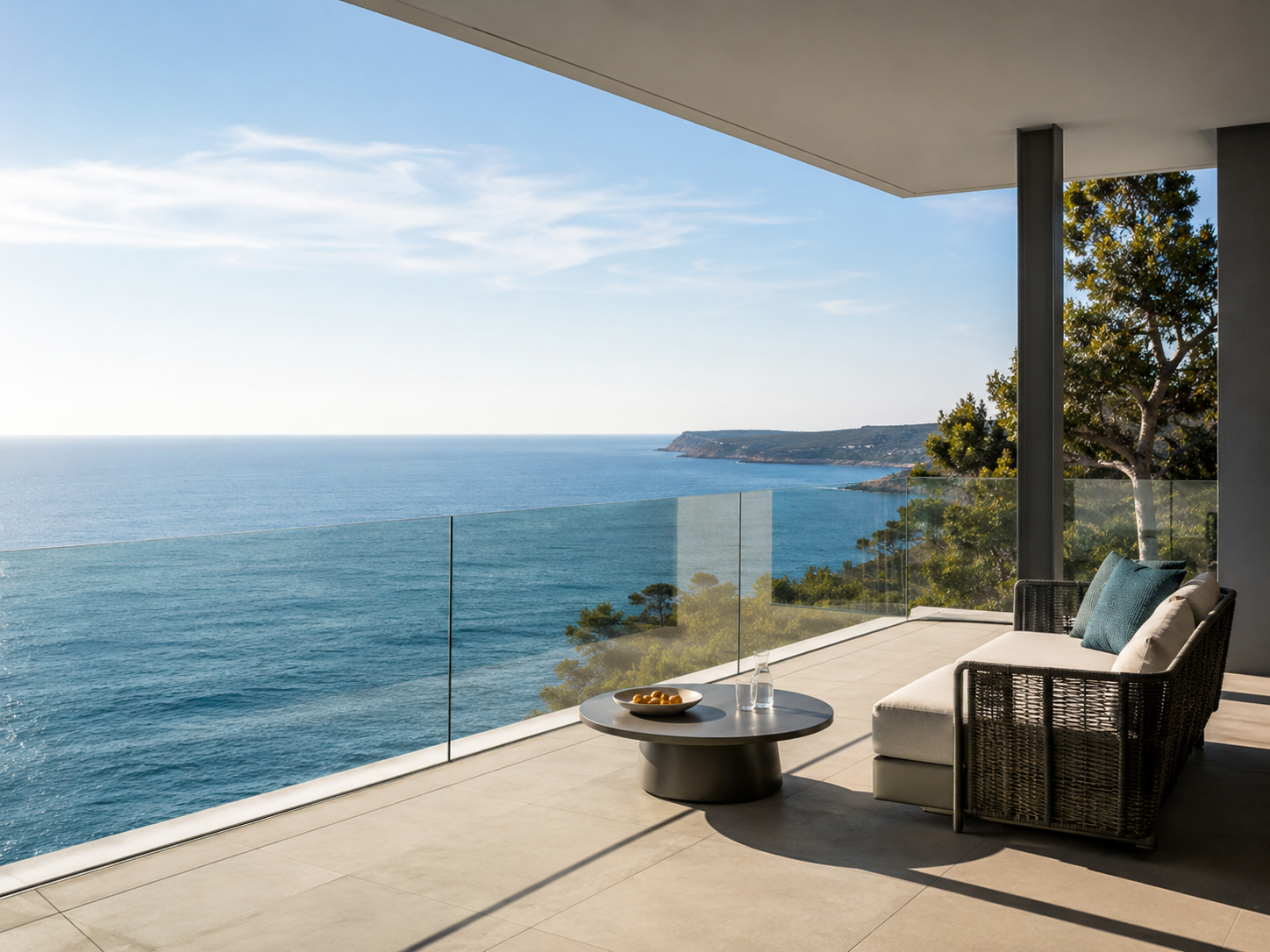
At Pandomus Group, as a premier property developer and construction firm rooted in Limassol, we believe that building exceptional homes goes hand in hand with respecting the natural environment, history, and culture of Cyprus.
Limassol’s identity has always been deeply intertwined with the sea, from its ancient roots as the medieval port of Amathus to its modern standing as Europe’s finest coastal lifestyle destination. Cyprus’s position today as Europe’s number one for coastal water quality mirrors our own philosophy: a commitment to long-term vision, sustainable engineering, and uncompromising quality.
We publish insights like these because our passion extends beyond concrete and design. We care deeply about the heritage, environmental health, and vibrant future of the communities we build in.
When you’re living in Limassol, or considering Limassol property as your next investment, this is part of what you’re buying into — a coastline held to the highest water-quality standard in Europe. It’s one more reason Limassol continues to rank among the best areas to buy in Cyprus, alongside developments like ALAIA Residence, CHYC Residence, and The Gardens Residence.